Starlink Gen 3 vs Starlink Mini
Which One Is Best for Your Caravan or Off-Grid Vehicle?
Starlink has quickly become one of the most reliable internet options for caravans, motorhomes, and off-grid vehicles. With two popular hardware options now available Starlink Gen 3 and Starlink Mini choosing the right system depends on how you travel, how you mount your equipment, and how critical performance is to your setup.
This article breaks down the real differences so you can choose the best system for your vehicle.
Overview: Two Different Use Cases
While both systems connect to the same Starlink satellite network, they are designed for very different installation styles.
Starlink Gen 3
Starlink Gen 3 is best suited to:
- Fixed or semi-fixed installations
- Vehicles or caravans with plenty of free roof real estate
- Installations where maximum performance matters
Gen 3 is commonly used on large caravans, motorhomes, off-grid vehicles with permanent roof mounts, and semi-permanent camps or base vehicles.
Starlink Mini
Starlink Mini is designed for:
- Mobile and frequently relocated setups
- Compact installations
- Lower power consumption
- Portable or removable mounting
Mini is popular with campervans, touring 4WDs, lightweight off-grid vehicles, and users who move locations often.
Key Differences That Matter in the Real World
Performance & Signal Handling
Starlink Gen 3
- Higher overall throughput
- Better performance under heavy network load
- More tolerant of challenging conditions
- Can penetrate light tree coverage where the mini will not at all.
While no Starlink system works well under dense canopy, Gen 3 typically performs better in light tree coverage due to its larger antenna and higher gain. In marginal environments, this can be the difference between usable internet and constant dropouts.
Starlink Mini
- Excellent performance for everyday use
- Easily handles streaming, video calls, navigation, and remote work
- More sensitive to obstructions than Gen 3
Expert consensus: If performance is the priority, especially in partially obstructed environments Gen 3 will always have the advantage.
Installation & Roof Space
Gen 3 Installation
Gen 3 typically requires more mounting space and a more permanent installation approach, with stronger mounting hardware. It is best suited to vehicles where the dish can stay mounted and unobstructed.
Mini Installation
Mini’s small footprint makes it easier to mount, easier to relocate, and better for vehicles with limited roof space. It’s also ideal for users who deploy Starlink away from the vehicle.
Power Requirements (Critical for Off-Grid Use)
This is one of the biggest differentiators for off-grid vehicles.
Starlink Gen 3
- Higher power draw
- Less forgiving of voltage drop
- Requires a more robust electrical system
Starlink Mini
- Significantly lower power consumption
- Easier to integrate into 12V and 24V systems
- Better suited to battery-based off-grid setups
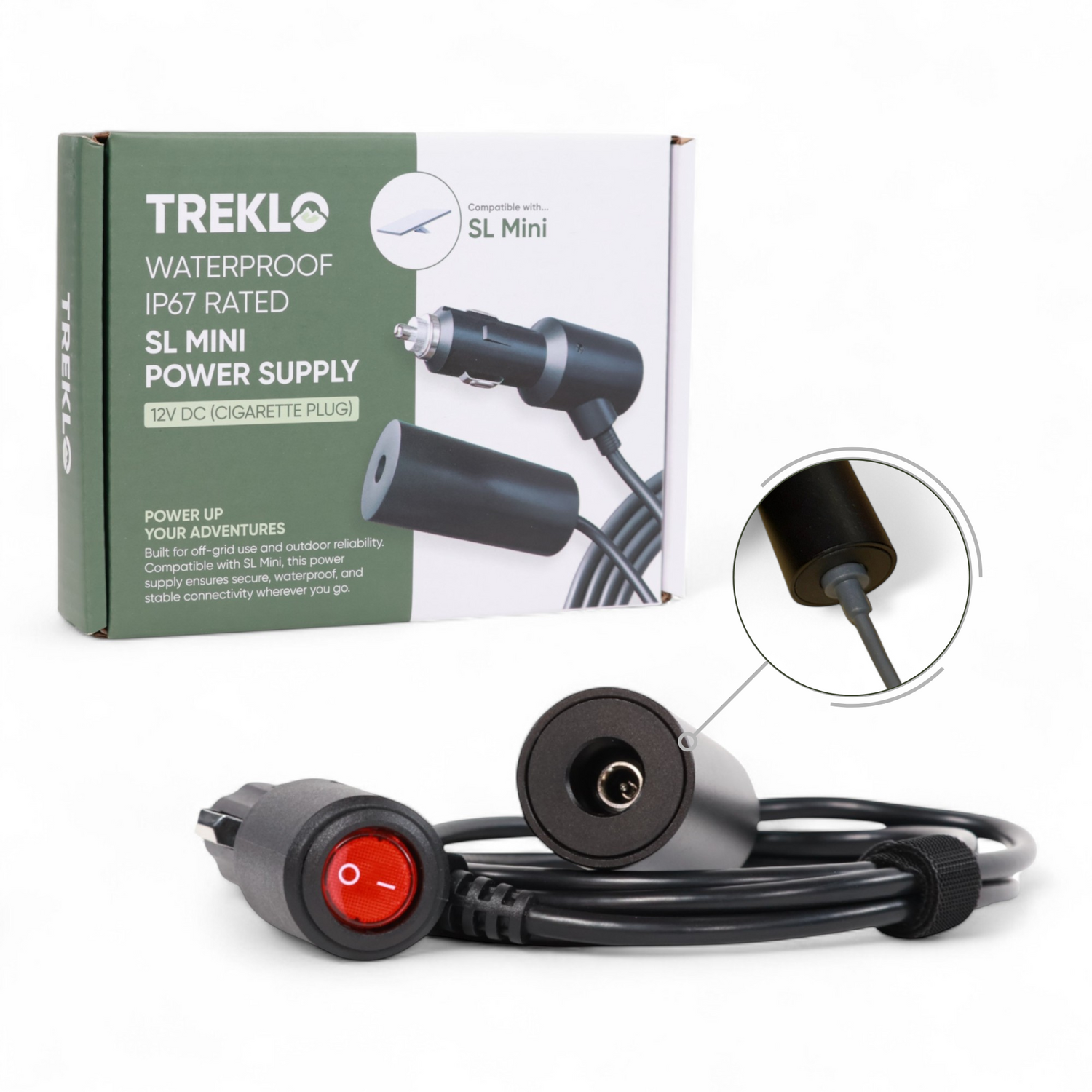
For a detailed breakdown of how to power Starlink Mini correctly in off-grid vehicles, see: Best Way to Power Your Starlink Mini on 12 Volt .
Portability vs Permanence
Starlink Gen 3
- Designed to stay in place
- Best for vehicles that don’t change configuration often
Starlink Mini
- Designed for mobility
- Easy to reposition or deploy away from the vehicle
- Ideal for changing camps, shade parking, or obstruction avoidance
Expert Perspective: Choosing the Right System
- Gen 3 is the better choice when performance matters most, light tree coverage is unavoidable, roof space is not a limitation, and the installation is fixed or semi-fixed.
- Mini is the better choice when power efficiency matters, roof space is limited, portability and flexibility are important, and the vehicle regularly changes location.
Industry insight: Most connectivity issues in off-grid vehicles are not caused by Starlink itself, but by installation constraints, power delivery, and obstruction management. Choosing the right hardware for the vehicle layout is often more important than raw specifications alone.
The Short Truth
Both Starlink Gen 3 and Starlink Mini are excellent systems but they are not interchangeable.
- Choose Starlink Gen 3 if you have the space, want the best possible performance, need better tolerance to interference and have the battery capacity.
- Choose Starlink Mini if you value efficiency, portability, and easy integration into off-grid electrical systems.
Selecting the right Starlink system is about matching the hardware to how your vehicle is actually used not just what looks best on paper.
Frequently Asked Questions
Which is better for a caravan: Starlink Gen 3 or Starlink Mini?
For many caravans with ample roof space and a more fixed installation, Starlink Gen 3 is often the better choice — especially where performance matters most. If you want portability, lower power draw, or plan to move locations frequently, Starlink Mini is typically the better fit.
Does Starlink Gen 3 work better under trees?
Gen 3 can generally handle light tree coverage better than Mini. No Starlink system works well under dense canopy, but in marginal conditions (light branches/leaves), Gen 3’s larger antenna and higher gain can provide a more usable connection.
Which one uses less power for off-grid setups?
Starlink Mini typically uses less power and is easier to integrate into 12V and 24V off-grid electrical systems. Gen 3 draws more power and is less forgiving if your setup suffers voltage drop or limited battery capacity.
Which Starlink is easier to mount on a vehicle?
Starlink Mini is usually easier to mount due to its smaller size and portability. Gen 3 is larger and better suited to fixed or semi-fixed mounts where you have plenty of roof real estate and a permanent mounting plan.
What is the best way to power Starlink Mini on 12V?
For best results, follow a proper 12V power approach that ensures stable voltage delivery and minimizes voltage drop. Read our full guide here: Best Way to Power Your Starlink Mini on 12 Volt .